Let’s be honest: yes, tattoos hurt. But probably not as much as you think.
The most common thing we hear from first-timers at XOXO is: “That was way more manageable than I expected.” The anxiety beforehand is almost always worse than the actual experience. That said, pain varies hugely depending on where on your body you’re getting tattooed, how big the piece is, and your own personal threshold.
This guide gives you an honest breakdown of what to expect — no sugar-coating, no scare tactics. Just the reality from artists who tattoo people every day in Dublin.
Tattoo Pain Levels by Body Part
Pain is subjective — what one person calls a 3/10, another might call a 6. But after thousands of tattoos, our artists have a pretty clear picture of which areas tend to be more sensitive. Here’s the general consensus:
| Body Area | Pain Level | What It Feels Like |
|---|---|---|
| Outer forearm | Low | Mild scratching sensation. One of the easiest areas. |
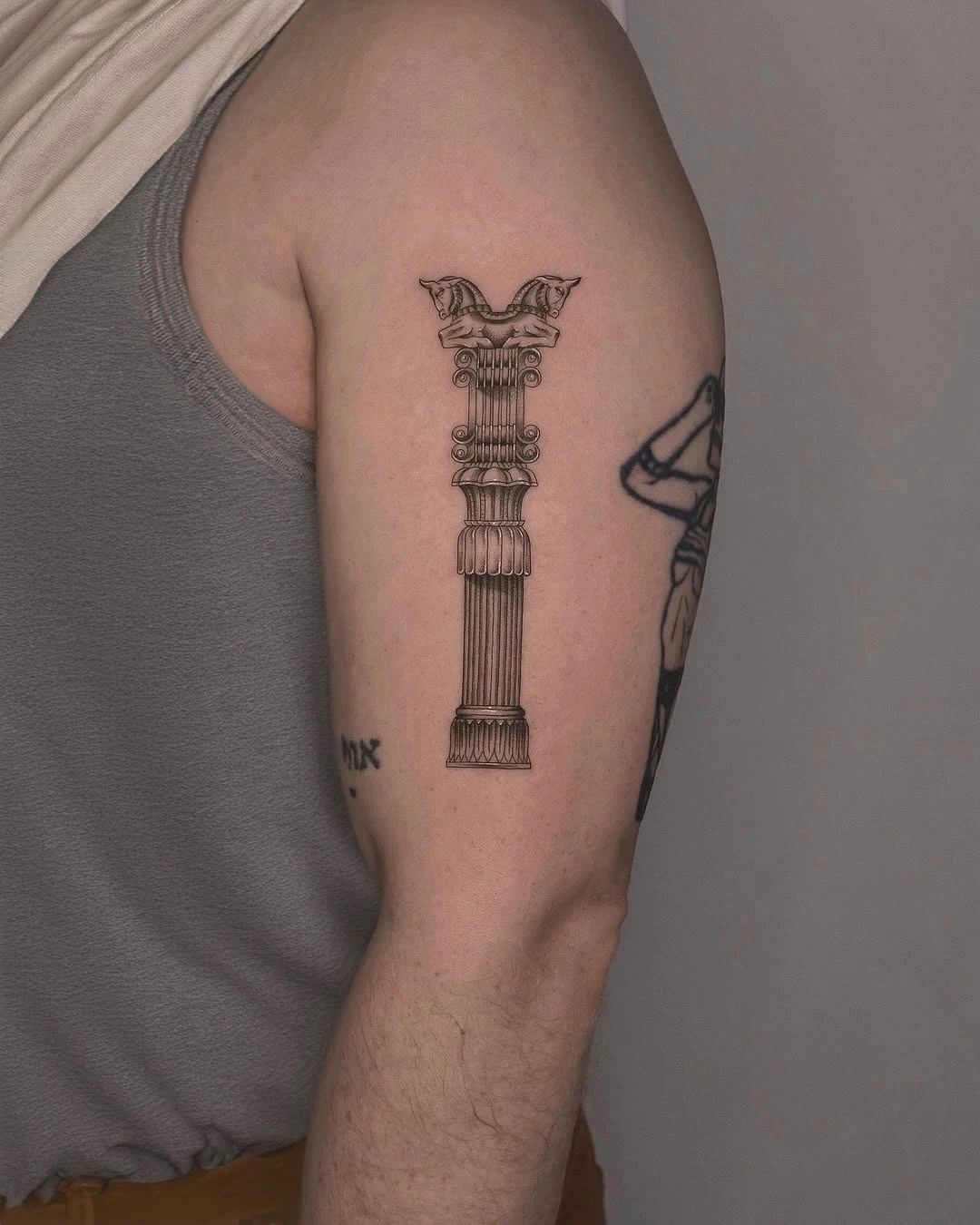
| Outer upper arm / shoulder | Low | Thick skin, lots of muscle. Very manageable. |
| Thigh (outer) | Low | Large flat area. Great for bigger pieces with less pain. |
| Calf | Low–Medium | Generally comfortable. Can get tender near the shin. |
| Inner forearm | Medium | Slightly more sensitive than the outer arm. Still very doable. |
| Upper back | Medium | Manageable unless you’re near the spine. |
| Wrist | Medium | Thinner skin, slightly bony. Short sessions are fine. |
| Ankle / foot top | Medium–High | Bony with thin skin. Noticeable but manageable for smaller pieces. |
| Inner bicep | Medium–High | Soft, sensitive skin. Gets spicy during longer sessions. |
| Ribs / side torso | High | Thin skin directly over bone. Deep, intense sensation. Breathing can make it tricky. |
| Spine | High | Vibrating, deep pressure right on the bone. Not for the faint-hearted. |
| Fingers / hands | High | Thin skin, lots of nerve endings. Sharp and intense but usually very quick. |
| Elbow / knee | High | Bone with almost no cushion. Short bursts of sharp pain. |
| Sternum / chest centre | High | Bone and thin skin. Similar to ribs but with added breathing sensitivity. |
— Advice from XOXO Artists
What Does a Tattoo Actually Feel Like?
People describe it in different ways. The most common comparisons we hear at XOXO:
Outlining (linework)
A sharp, scratching feeling — like a cat scratch being drawn slowly across your skin. Outlines use a single or few needles moving in deliberate lines. It’s precise and you feel each stroke. Most people describe this as the “sharpest” part, but it’s usually over quickly for each line.
Shading
A broader, duller sensation — like a vibrating sunburn. Shading uses more needles at once and covers larger areas with back-and-forth motions. It’s generally less sharp than lining but can feel more wearing over a long session.
Colour packing
Similar to shading but with more repeated passes over the same area. Can feel more intense because the artist needs to work the ink in thoroughly. The area may feel raw after extended packing.
How to Make It More Comfortable
1. Eat a Proper Meal Before Your Appointment
Low blood sugar makes pain feel worse and increases the chance of feeling faint. Eat a solid meal 1-2 hours before your session. Bring snacks and water for longer sittings.
2. Get a Good Night’s Sleep
A tired body handles pain worse. Come to your appointment rested and alert.
3. Stay Hydrated
Well-hydrated skin takes ink better and heals faster. Drink plenty of water in the days leading up to your appointment.
4. Avoid Alcohol and Blood Thinners
Do not drink alcohol the night before or the day of your tattoo. Alcohol thins the blood, increases bleeding, and makes the tattoo harder for the artist. It also amplifies pain sensitivity. Same goes for aspirin and ibuprofen.
5. Breathe and Relax
Tensing up makes pain feel worse. Focus on steady breathing. Many clients bring headphones and listen to music, podcasts, or audiobooks. Some chat with their artist. Find what works for you.
6. Take Breaks If You Need Them
Your artist will never judge you for needing a break. A 5-minute pause to stretch, hydrate, and reset can make a huge difference during longer sessions.
🎧 XOXO Tip
Bring headphones and a good playlist or podcast. Distraction is genuinely one of the most effective pain management tools. Most of our clients at XOXO barely notice the discomfort once they’re absorbed in something else.
What About Numbing Cream?
Numbing creams (such as EMLA or Tattoo Numb) are available, but they can sometimes cause skin reactions. If you plan to use one, it must be applied 1–2 hours before your appointment to be effective.
Please make sure to do a patch test beforehand. If your skin becomes irritated, we will not be able to tattoo the area and you may lose your deposit due to the appointment being cancelled.
Pros: They can reduce surface-level pain significantly, making the experience more comfortable, especially for ribs, sternum, and other high-pain areas.
Cons: They can change skin texture, making it harder for the artist to work. Some creams cause swelling or affect ink absorption. The numbing effect also wears off partway through longer sessions, which can make the transition feel jarring.
If you’re considering numbing cream, always discuss it with your artist first. They can advise whether it’s suitable for your tattoo and recommend a specific product and application method.
Frequently Asked Questions
What’s the least painful place to get a tattoo?
The outer forearm, upper arm, shoulder, and outer thigh are generally the least painful areas. They have thicker skin and more muscle cushion between the needle and the bone.
What’s the most painful place to get a tattoo?
Ribs, spine, sternum, elbows, knees, and fingers tend to be the most painful due to thin skin directly over bone and high concentrations of nerve endings.
Do fine line tattoos hurt less than traditional?
Generally yes — fine line work uses fewer needles and lighter pressure, so it tends to be less intense. However, the pain difference varies more by body placement than by style.
Can I take painkillers before my tattoo?
Avoid aspirin and ibuprofen as they thin the blood and increase bleeding. Paracetamol is generally considered safe but check with your artist. Never take anything that hasn’t been discussed beforehand.
How long can I sit in one session?
Most people can comfortably sit for 2-3 hours. Experienced collectors may sit for 4-6+ hours. Your artist will check in regularly and offer breaks. There’s no pressure to push through — quality matters more than speed.
Ready for Your Tattoo?
Our artists make every session as comfortable as possible. Whether it’s your first or your fiftieth, you’re in good hands at XOXO.
Read More